

Gilmore Enterprise helps warehouses, distribution centers, cold-storage and industrial facilities across the United States earn recurring revenue from demand response, in wholesale grid markets and utility programs alike, with no capital investment and no disruption to operations.
Request a Free AssessmentWe do the legwork. Your team signs one agreement with an established program operator and shares meter data, we handle the rest.
Share 12 months of interval meter data. We analyze your load profile, identify reliably curtailable capacity, and give you a written, honest estimate of what your facility can earn.
You sign a single agreement with an established aggregator or solar provider. We coordinate the enrollment, build a simple curtailment plan around your operation, and run a practice event.
When the grid calls an event, you curtail as planned, or opt out within the program rules. Payments flow from the program operator on a regular schedule. Program calendars and enrollment windows vary by market, we track them so you never miss a season.
How facilities earn from demand response, rooftop solar and efficiency upgrades, with no upfront cost and no disruption to operations.
Program-level figures, with PJM, the deepest and most warehouse-friendly market in the country, as the benchmark. Every market pays differently: your facility's actual earnings depend on where it sits and on its curtailable load, and are confirmed by a free assessment, never estimated in a sales pitch.
per MW-year, the range demand response programs in PJM have paid enrolled capacity in recent program years.
is the typical minimum in wholesale markets, smaller loads can often be aggregated, and New York's DER model starts at just 10 kW.
per kW, the range New England's ConnectedSolutions utility programs pay for summer curtailment, with the top figure for battery storage.
A typical 500 kW of curtailable warehouse load, refrigeration, HVAC, charging and process loads, can represent roughly $49,000-$85,000 per year in gross program revenue at PJM rates. In most wholesale markets events are infrequent (a few per year), short (usually 2-4 hours), and announced in advance, MISO has historically called just 0-3 events a year.
| Facility example | Curtailable load | Gross capacity revenue / year* |
|---|---|---|
| Mid-size warehouse | 500 kW | ≈ $49,000 - $85,000 |
| Large distribution center | 1 MW | ≈ $98,000 - $170,000 |
| Cold-storage campus | 2 MW | ≈ $196,000 - $340,000 |
*Capacity payments only, at the recent PJM range of $98k-$170k per MW-year (the 2026/27 PJM capacity price equates to roughly $120,000 per MW-year). Energy payments during dispatched events come on top. Other markets pay on their own published figures, advertised rates in MISO run up to roughly $70,000 per MW-year, and in Texas much of the value sits in 4CP transmission-charge savings rather than program payments. Your share is set in the enrollment agreement before anything is signed, a free assessment sizes your curtailable load from your own meter data.
Demand response comes in two flavors. Wholesale-market programs, run by a grid operator, pay real capacity money for standing ready, the best fit for warehouses. Utility programs, run by the local utility, usually pay bill credits: smaller checks, more frequent calls. Which one a facility gets is decided purely by where it sits, and we work in all of them.
NJ, PA, DE, MD, VA, WV, OH, IN, IL, parts of MI and KY, and DC. The flagship Emergency Load Response Program pays monthly capacity payments (roughly $120k per MW-year at current auction prices) plus energy payments when called, with Economic and Synchronized Reserve options for more active sites. The deepest, most warehouse-friendly market in the country.
Special Case Resources (SCR) is the capacity program and EDRP the voluntary emergency one. NYISO's DER Participation Model now lets aggregations as small as 10 kW into the energy, capacity and reserve markets, with early participants reporting up to 35% more revenue than the legacy programs. In New York City, Con Edison's own utility programs stack on top.
MA, CT, RI, VT, NH and ME. The Active Demand Capacity Resource is dispatched when wholesale prices spike, on 30 minutes' notice. Layered on top, ConnectedSolutions, run by Eversource, National Grid and Unitil, pays a minimum of roughly $25 per kW per summer for commercial curtailment and up to $275 per kW for batteries, with enrollment through approved providers.
IL, IN, MI, WI, MN, IA, MO, AR, LA, MS and parts of KY. Load Modifying Resources earn capacity payments with a 100 kW aggregated minimum, and historically just 0-3 events a year, about as low-effort as demand response gets. Advertised rates run up to roughly $70k per MW-year.
The exception: Texas has no capacity market. The Emergency Response Service pays for availability at 10- or 30-minute response, Load Resources earn in the ancillary-service markets, and the quiet giant is 4CP management, cutting load during the grid's four annual peaks slashes transmission charges, often worth more than the program payments for a large warehouse. Higher upside than PJM, but more volatile and more operationally demanding.
Mostly utility-run rather than market-run: the Demand Response Auction Mechanism, the Emergency Load Reduction Program and Proxy Demand Resources. Summer-heavy, with more frequent dispatch than the eastern markets, and a home market for specialist California providers among our partners.
KS, OK, NE, SD, ND and parts of MO, AR and LA. The least developed wholesale market for commercial demand response: programs exist, but payments are thin. We will tell you honestly if a facility here is better served by a utility arrangement, or by waiting.
Where there is no wholesale market (Duke territory in NC and SC, GA, AL, FL, TN, AZ), utilities run their own curtailment and interruptible programs: Duke Energy's PowerShare (recently raised to $5 per kW in certain options, with a storage version launching in South Carolina) and similar tariffs from Georgia Power, TVA and FPL. Payments come as bill credits, negotiated utility by utility.
Enrollment is only half the job. Gilmore customers follow their energy revenue the same way they follow freight: one clear view of what their facility is enrolled in, how it performed, and what has been paid, no spreadsheets, no chasing statements.
Every payment moves through three visible stages, projected, earned, paid, with the amount and date attached. You always know what is coming, what an event earned you, and what has already landed.
Your interval meter data shows exactly how much load you curtailed during each dispatch, measured against your baseline, so a good performance score is something you can see, not something you are told.
Demand response, community solar credits and efficiency savings sit side by side per facility, including the CO₂ your participation avoided, ready for your own sustainability reporting.
| Distribution center, Northern NJ | Active | 400-500 kW |
| Cold storage, Central NJ | Active | 300-400 kW |
| Warehouse, Southern NJ | Active | 200-300 kW |
Illustrative example with sample figures for one enrolled portfolio. Your dashboard is built from your own meter data and program settlements, the numbers you see are your facilities, your events and your payments.
Move the sliders to match your facility. The demand response estimate uses PJM's published figures, the benchmark market; in other markets the assessment applies that market's own figures. A free assessment then confirms your real number from your own meter data.
Estimate only. Demand response figures are capacity payments at the recent PJM range of $98k-$170k per MW-year; payments for energy delivered during events come on top. Other markets pay differently, MISO rates are advertised up to roughly $70k per MW-year, New England utility programs pay per kW each summer, and Texas value concentrates in 4CP transmission savings, and your assessment always uses your own market's figures. Your actual curtailable load, roof suitability and subscription availability are confirmed by the free assessment, no obligation.
Get My Free AssessmentWe originate and manage enrollments with established, licensed program operators and contractors, so your facility gets paid for the energy value it already has: flexible load, roof space, and efficiency headroom.
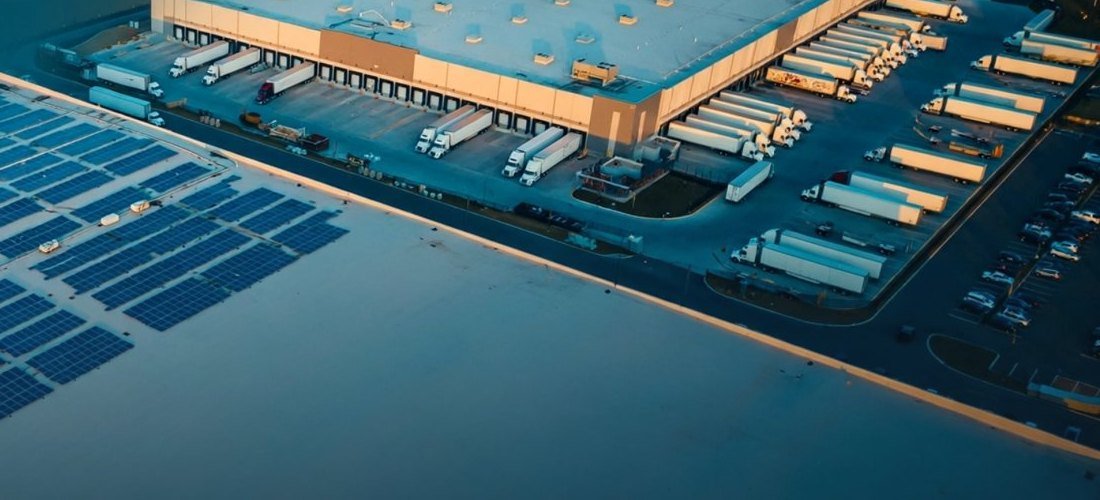
Grids and utilities pay facilities that can reduce electricity use for a few short hours a year. We assess your curtailable load, enroll you through an established aggregator in your market (PJM, NYISO, ISO-NE, MISO, ERCOT, CAISO, or your local utility's own program) and manage the process end to end: assessments, enrollment, event planning and payments.

New Jersey's Community Solar Energy Program lets facilities subscribe to a local solar project and receive bill credits, a guaranteed minimum 15% discount on the subscribed portion of the electricity bill, with no panels to install and no roof work. Similar subscription programs now operate in a growing number of states, and we track availability by territory.
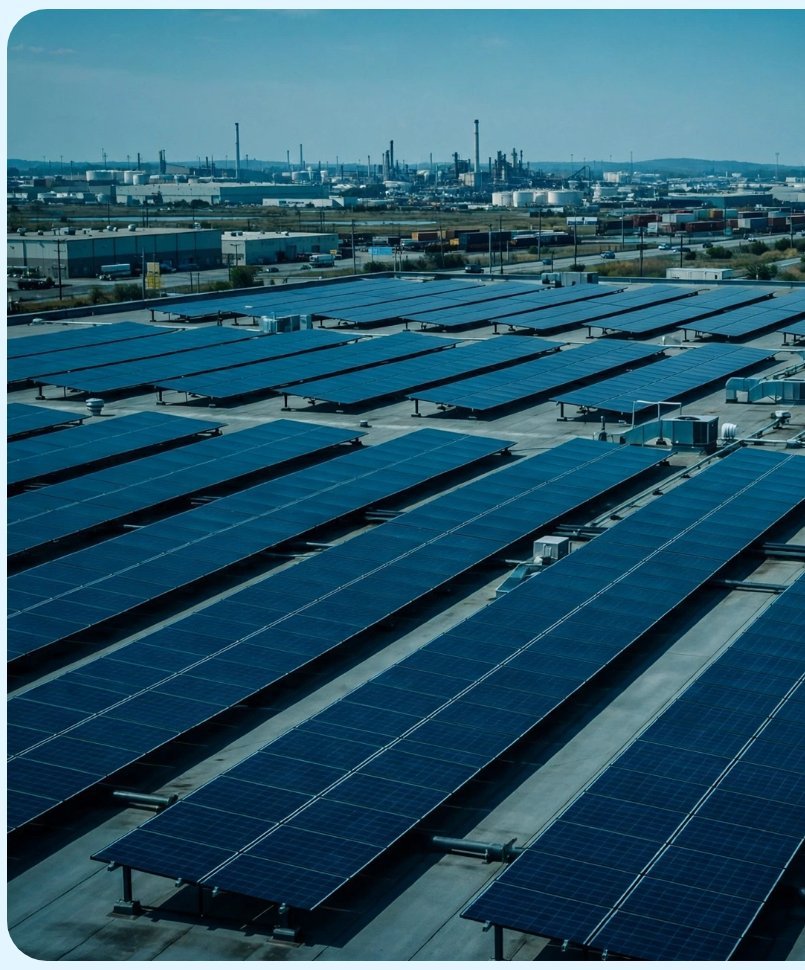
Your roof is an unused asset. We connect warehouse owners with vetted commercial solar developers for rooftop leases and PPAs, state solar incentives (New Jersey's ADI program among the strongest) make large flat roofs especially valuable, with roof-lease income typically around $0.50 per sq ft per year. The developer designs, builds and operates the system; you collect the rent or the savings.
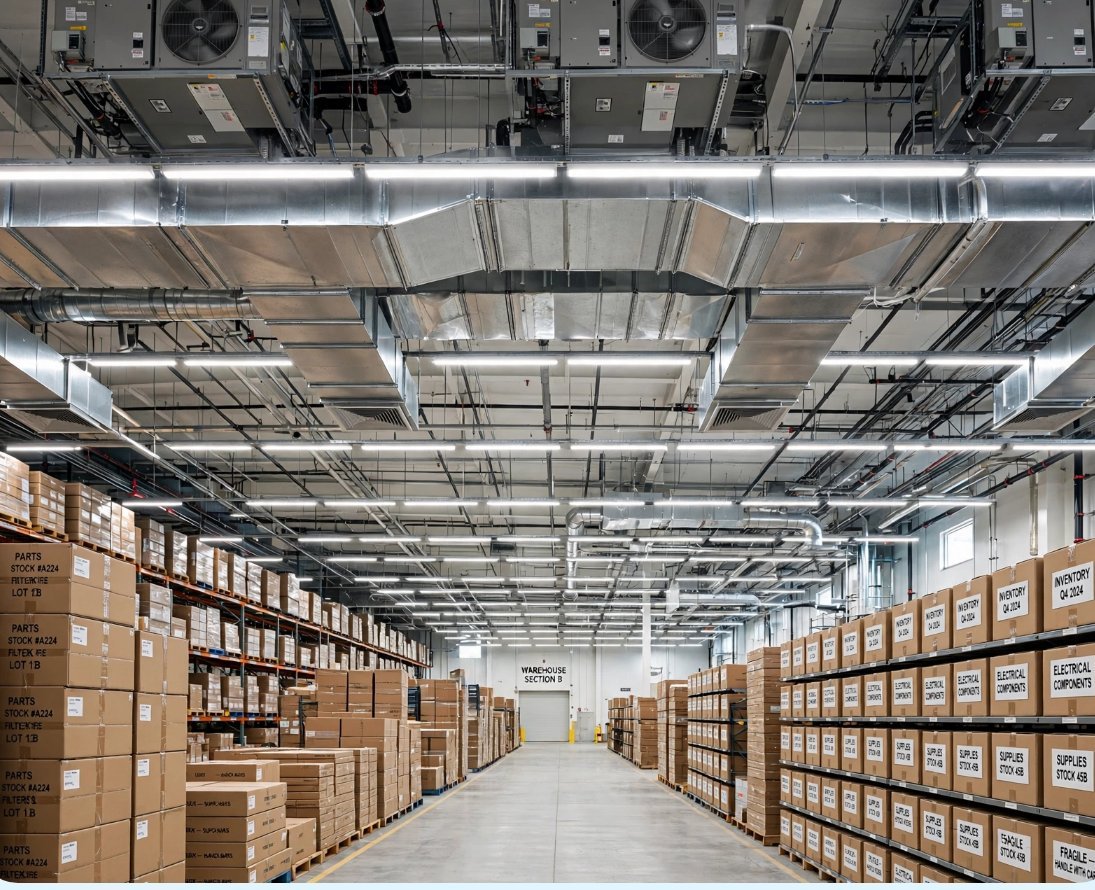
Utility incentive programs cover much of the cost of LED lighting, HVAC and controls upgrades, New Jersey's Direct Install, among the most generous, covers up to 80% of the installed cost for qualifying facilities, with 0% on-bill financing for the balance. We assess your facility, match you with an authorized program contractor, and coordinate the upgrade from audit to installation.

Everything starts with your interval meter data. We analyze load patterns to find flexible capacity, size the opportunity honestly, and identify the program, or combination, that fits your operation before anything is signed.
Most facilities enroll through a licensed curtailment service provider (CSP), in PJM, into the Emergency Load Response Program (ELRP); in other markets, into the equivalent capacity or utility program. The mechanics below are PJM's, stated plainly, and the same ideas, paid to stand ready and paid again when called, run through every wholesale market, with each market's own rules, notice times and calendar.
Gilmore Enterprise is built by professionals from logistics and business analytics, people who have spent their careers inside warehouses, distribution networks and the data that runs them.
That background matters. Demand response only works when the curtailment plan respects the operation: shipping windows, refrigeration tolerances, labor schedules. We speak the language of facility and operations teams because it is our language too, and we translate it into energy revenue without the energy industry jargon.
We earn a share of the revenue we create, paid by the program operators we partner with. If your facility doesn't earn, neither do we.
Nothing upfront. Assessments are free, enrollment is handled by our program partners, and our compensation is a share of the program revenue paid by the operator, it never comes out of your existing budget.
Events are few, short and announced ahead of time. Your curtailment plan is built with your team around loads that can flex, and you always know the plan before the season starts.
Commercial and industrial facilities anywhere in the US. In wholesale markets (PJM, NYISO, ISO-NE, MISO, ERCOT, CAISO) the typical threshold is ~100 kW of flexible load, or the ability to aggregate with nearby sites, and New York's DER model takes aggregations from just 10 kW. Where only utility programs exist, eligibility follows the local utility's program rules. For community solar, most commercial electricity accounts in an eligible utility territory qualify.
It depends on your market. PJM runs a June 1 - May 31 program year, with enrollment closing May 1; most other wholesale and utility programs are summer-season based, with enrollment in the preceding spring. Community solar subscriptions can start as projects in your territory become available.
The Emergency Load Response Program is PJM's main demand response program for commercial and industrial facilities, the model most wholesale markets follow under their own names (SCR in New York, ADCR in New England, LMR in MISO). You commit a level of load reduction, get paid monthly capacity payments for standing ready, and earn additional energy payments when an event is called and you curtail.
You are not left out. In the Southeast and parts of the West, utilities run their own curtailment and interruptible programs, Duke Energy's PowerShare and similar tariffs from Georgia Power, TVA and FPL, which pay as bill credits for committing to curtail to a set level. The checks are smaller than wholesale capacity payments, but the commitment is simpler, and we negotiate the utility arrangement with you.
It depends on the option chosen at enrollment: from day-ahead advisories down to 30 minutes-2 hours for real-time events. We help you pick the option that matches how fast your operation can actually respond, and your curtailment plan is built around it.
Under capacity-program performance rules (in PJM, its Capacity Performance rules), non-delivery during a genuine emergency can reduce payments or trigger penalties. That risk is exactly what the curtailment plan and the practice event are for, and how any penalty is shared between you, the aggregator and us is stated in writing in your agreement before you enroll.
The program operator settles capacity and energy payments on a regular schedule and pays you directly under your enrollment agreement. Gilmore's share is paid by the operator out of its portion, your payment is never reduced by a separate invoice from us.
Usually not. Program metering is arranged by the aggregator as part of enrollment, and curtailment uses the flexible loads you already have, refrigeration, HVAC, charging and process equipment.
Gilmore Enterprise originates and co-manages facility enrollments across every major US grid market, logistics and industrial facilities our team knows from the inside. We work with curtailment service providers, solar developers and retrofit contractors on three standard commercial models, agreed in writing before any facility is introduced:
A share of program revenue on the accounts we originate, for the life of the enrollment, the model for facilities we co-manage season after season.
A fixed fee per enrolled MW or per facility, settled on enrollment, simple budgeting for one-off campaigns.
Payment at signing for exclusively originated accounts, where the operator wants full ownership of the relationship from day one.
Send us a note with your facility's location and approximate size, and we'll come back with next steps for a free, no-obligation assessment.
info@gilmoreenterprise.com